
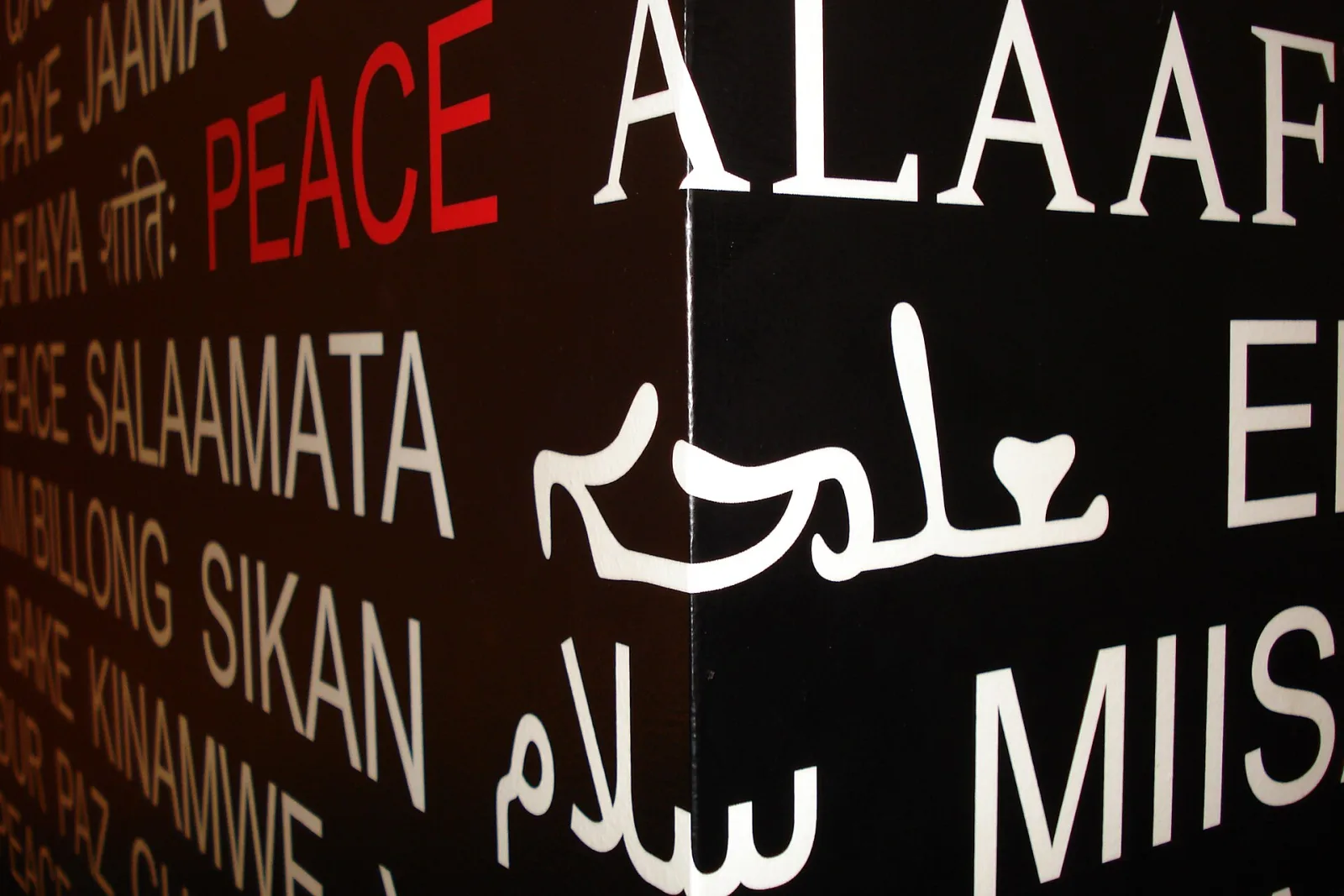
Most hotel teams in Saudi Arabia are genuinely bilingual, but not uniformly. A housekeeping floor may work primarily in Arabic, a front desk primarily in English, and a kitchen in a mix that changes by shift. A training programme that picks one language quietly excludes part of the team.
Translation is not the same as authoring
A machine translated course reads as translated, and a procedural instruction that reads awkwardly gets misread under pressure. Author the Arabic version as Arabic content, with the terms the department actually uses on shift, and the English version as English content. Keep them aligned in meaning, not word for word.
Right to left is a layout, not a text direction
An Arabic page is not an English page with the text flipped. Navigation, progress indicators, checklists, tables and form fields all need to read naturally from the right. A numbered procedure that runs left to right in an Arabic interface is a procedure people will misread step order in.
Let the learner choose per session
Language should be a per-session choice, not an account setting decided once at signup. A learner might take a safety course in Arabic and a property management system course in English because the system itself is in English. Progress must carry across the switch.
Terms that should not be translated
System field names, code words used on the radio, and any term printed on equipment should stay in the language they appear in on the job, with the explanation in the learner language. Translating a button label that the learner will see in English on screen creates a gap rather than closing one.
Hotel Training Bilingual Arabic